Hot Rize
Biography
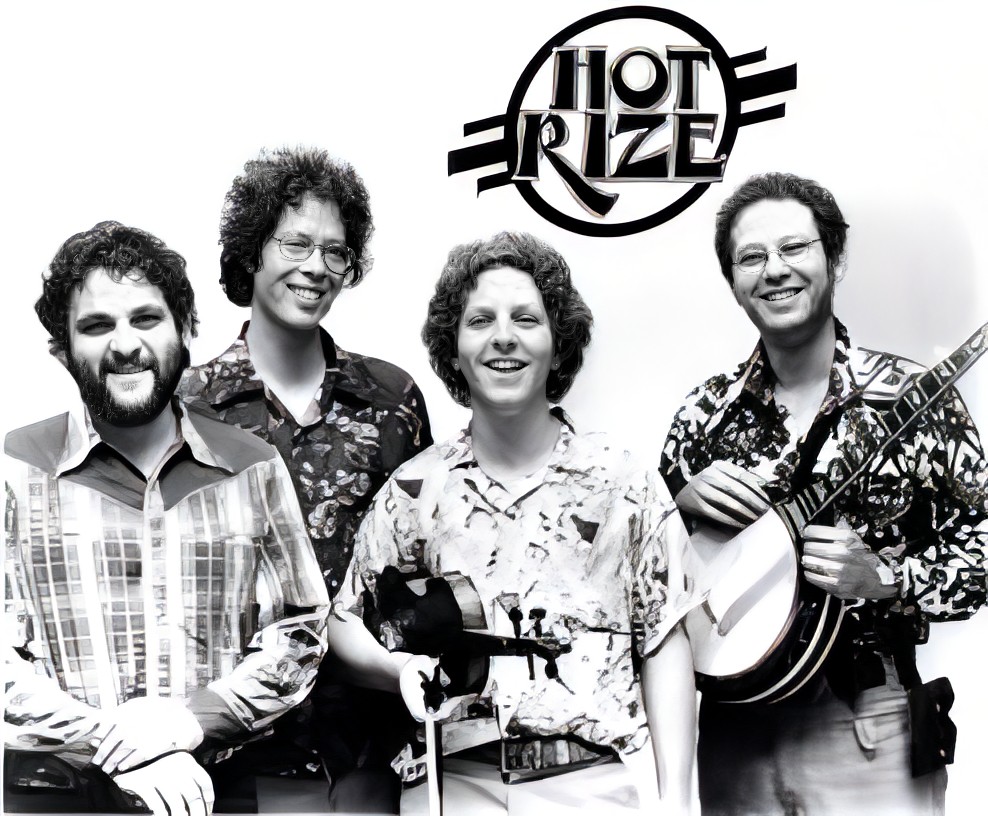
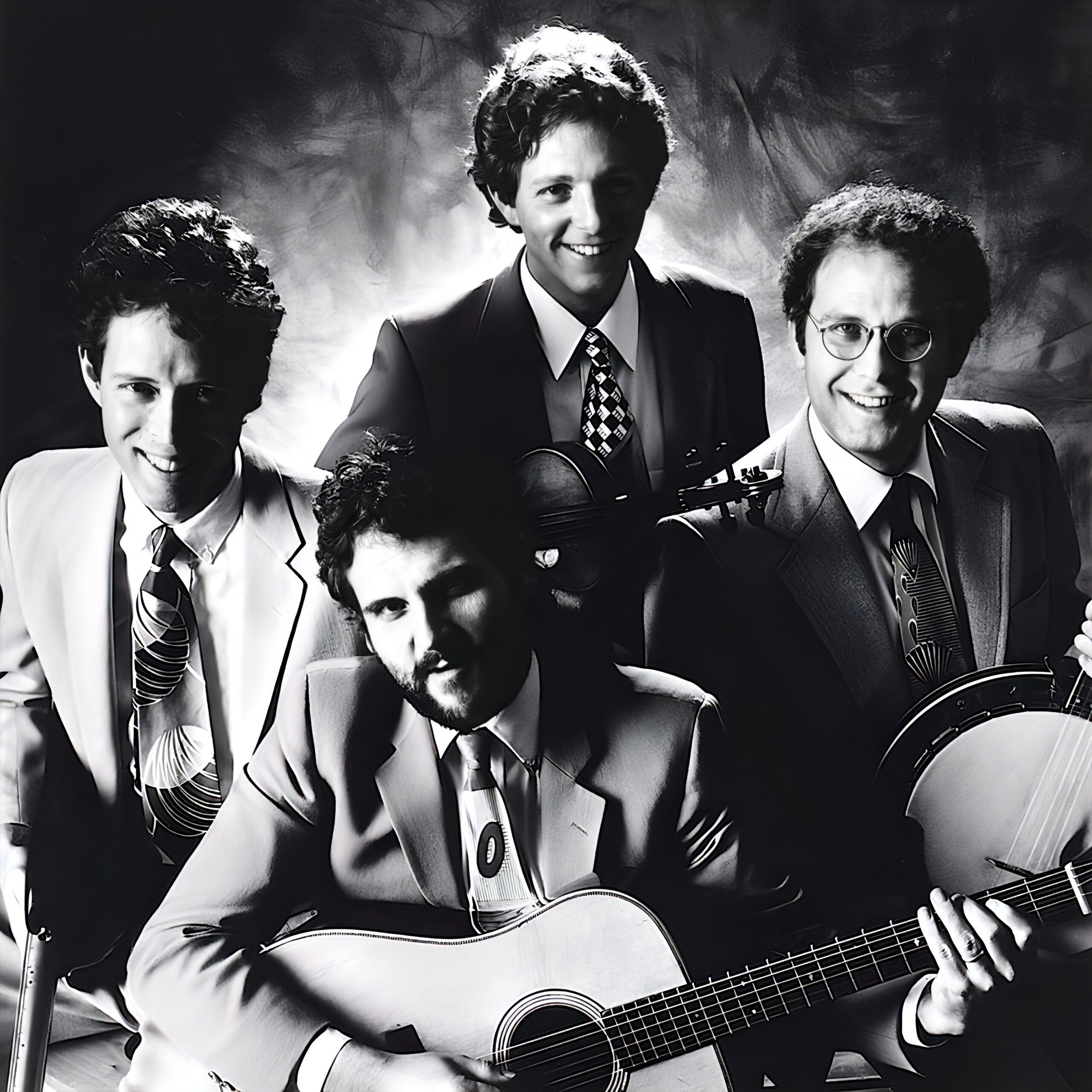
Hot Rize was an innovative bluegrass band that, over a 12-year span from 1978 to 1990, blazed a trail as one of the genre’s most popular touring acts. The group took its name from the secret ingredient in Martha White Flour, longtime sponsors of bluegrass stalwarts Lester Flatt and Earl Scruggs. Using a basically traditional framework, Hot Rize widened their appeal with quality original material and an entertaining stage show, including their musically respectful but riotously funny spoof on classic country music in the form of the group’s alter-ego, Red Knuckles and the Trailblazers.
Hot Rize consisted of Pete Wernick (banjo and vocals), Tim O’Brien (mandolin, fiddle, and lead vocals), Charles Sawtelle (guitar), and Nick Forster (bass, vocals, and emcee). While the group emerged from the vibrant Colorado music scene, its members hailed from diverse backgrounds. Wernick, a New York native with a PhD in sociology, brought technical expertise and a progressive edge to the banjo. O’Brien, from West Virginia, contributed soulful vocals and instrumental versatility. Sawtelle, a Texan, added a unique guitar style influenced by a highly artistic temperament. Forster, originally from New York, provided solid and creative bass lines, emcee skills, and the second voice in the band’s duets.
The band quickly gained recognition for its tight arrangements, blending traditional bluegrass with innovative elements. Their debut album, Hot Rize (1979), showcased this balance, featuring tracks like the bluegrass chestnut “Blue Night” and the newly composed “Nellie Kane.” Throughout the 1980s, Hot Rize solidified its reputation with the albums Radio Boogie (1981) and Traditional Ties (1986). The discs introduced new classics such as “Walk the Way the Wind Blows” and “Footsteps So Near” while instrumentals like “Frank’s Blues” showcased their technical skill.
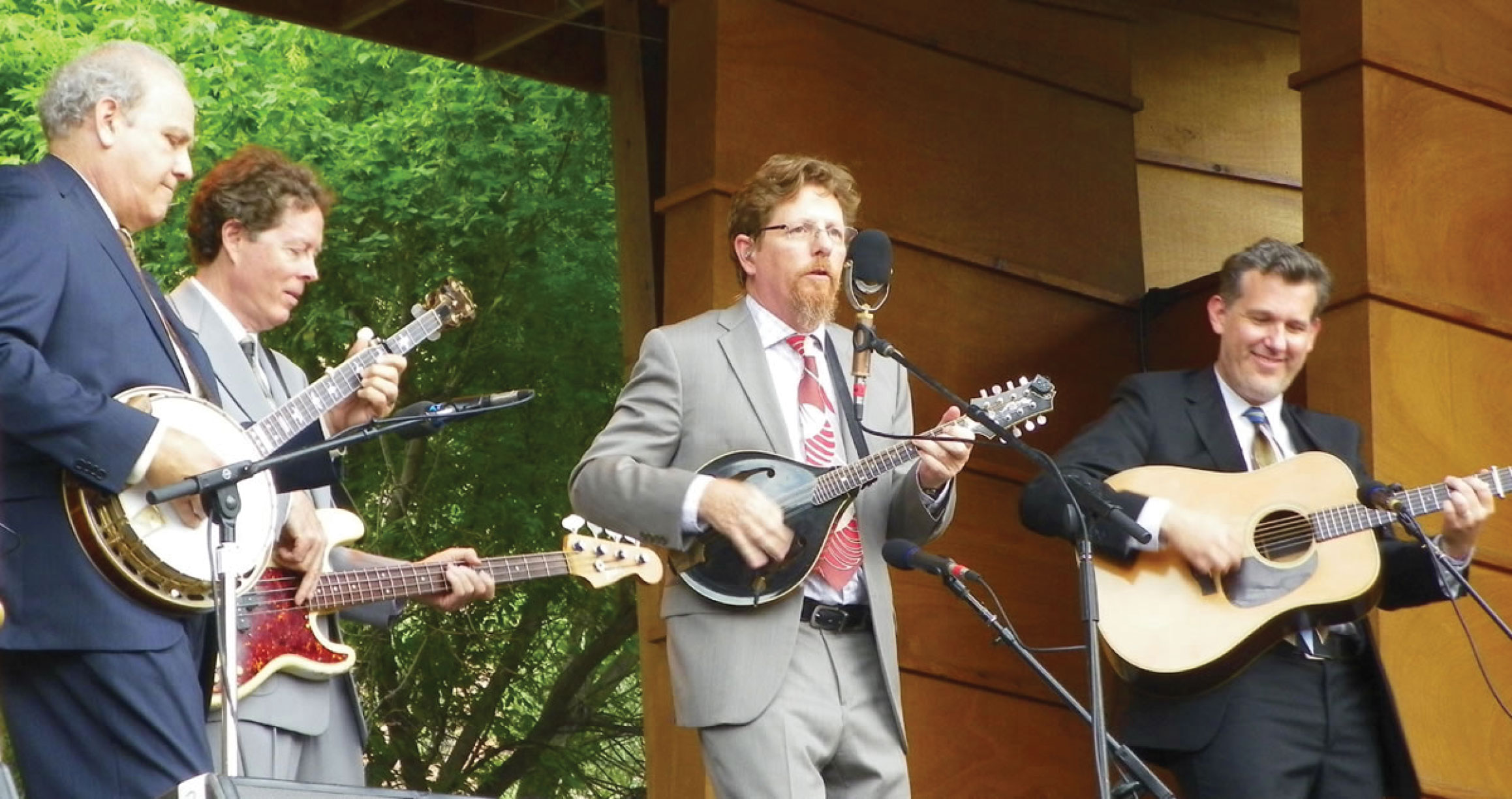
Their live performances were equally compelling. The band always sang around a single microphone, a nod to traditional bluegrass setups, which added visual and auditory cohesion to their shows. It also emphasized their chemistry as a group. Their performances were energetic and engaging, with each member contributing to the overall sound.
Hot Rize’s career was marked by numerous milestones that showcased their global appeal and influence. In addition to their success in the United States, the band toured extensively in foreign countries, bringing their unique blend of bluegrass to international audiences. They performed in Japan, Australia, and Europe (including France, England, Sweden, Holland, Ireland, and Finland). In France, their alter-ego band, Red Knuckles and the Trailblazers, recorded the album The French Way, which became a hit among rockabilly fans.
Hot Rize also made regular appearances on national television, including The Nashville Network and the popular PBS show Austin City Limits. The syndicated radio program A Prairie Home Companion played host to the group on numerous occasions.
A unique aspect of Hot Rize’s legacy is their alter-ego band, Red Knuckles and the Trailblazers, a comedic Western music group that performed during live shows. Complete with costumes, exaggerated personas, and humorous skits, the Trailblazers allowed Hot Rize to explore different musical styles like honky-tonk and swing while providing comic relief. Songs such as “In the Jailhouse Now,” “Honky Tonk Man,” and “Cadillacin Model A” became fan favorites, adding entertainment to their performances. Introduced as a “band who travels with us and does chores on the bus,” the Trailblazers avoided revealing their true identities, often fooling audiences with their distinct looks and sounds. The members adopted playful personas: Tim O’Brien as “Red Knuckles,” Pete Wernick as non-pedal steel guitarist “Waldo Otto,” Nick Forster as electric guitarist “Wendell Mercantile,” and Charles Sawtelle as silent bassist “Slade.” Their exaggerated stage antics and nostalgic take on classic country and western music made them a hit with fans.
Despite their humorous approach, Red Knuckles and the Trailblazers were serious musicians. Their renditions of songs like “Apache” and “Oh Mona!” showcased their versatility and deep appreciation for the music they parodied. The Trailblazers were an integral part of Hot Rize’s identity.
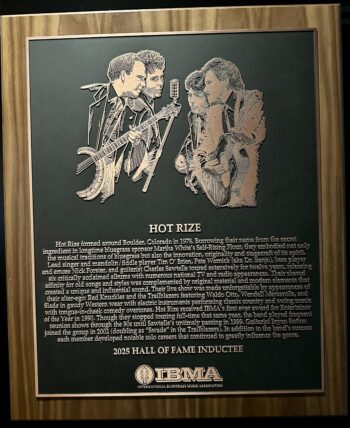
In 1990, Hot Rize received the first-ever IBMA Entertainer of the Year award, a testament to their impact on bluegrass music. Despite their success, Hot Rize faced challenges, including the departure of Tim O’Brien in 1990 to pursue a solo career. This led to the band’s semi-retirement, though they continued to reunite for special performances. The death of Charles Sawtelle in 1999 was a significant loss, but the band found a fitting replacement in Bryan Sutton, a virtuoso guitarist who brought new energy to their sound.
In addition to the band’s collective achievements, the individual members scored impressive career highlights before, during, and after Hot Rize. Pete Wernick collaborated with banjoist Tony Trischka to write Masters of the Five String Banjo, a comprehensive book on bluegrass/Scruggs-style banjoists. He also became a prominent bluegrass educator, developing the Wernick Method, used by over 100 teachers, emphasizing small group jamming in learning to play bluegrass.
Tim O’Brien embarked on a successful solo career, earning two Grammy wins, two IBMA Male Vocalist of the Year awards, and one IBMA Song of the Year award. He also wrote hit songs for artists like Dierks Bentley, Garth Brooks, The Dixie Chicks, Laurie Lewis, Kathy Mattea, New Grass Revival, Nickel Creek, Seldom Scene, and Ralph Stanley.
Nick Forster joined O’Brien for two years in the O’Boys and later created the syndicated radio program eTown, which combines music with environmental and humanitarian advocacy. He also oversaw the remodeling of a downtown Boulder church into “e-Town Hall,” a solar-powered concert venue and recording studio that serves as the home base for the eTown radio show.
Bryan Sutton, who joined the band in 2002, became one of the most respected flatpicking guitarists of his generation. He enjoys a brisk career as a Nashville studio musician.
Charles Sawtelle owned and operated a recording studio in the 1990s, Rancho deVille, where numerous albums were recorded. He also co-operated a live sound company, Sawtelle-Wilson Sound, which provided sound for the first several Rocky Mountain Bluegrass Festivals and other large live shows in the early 1970s. Additionally, Charles was a potter and held a college degree in Visual Arts.
In 2014 Hot Rize released When I’m Free, their first studio album in over two decades. The album reaffirmed their relevance, featuring tracks like “Western Skies” and “Blue Is Fallin’.” Critics praised the album for its fresh sound and thoughtful songwriting, proving that Hot Rize remained a force to be reckoned with. Their 40th Anniversary Bash in 2018 celebrated their enduring legacy, with guest appearances by bluegrass luminaries like Sam Bush, Jerry Douglas, and Stuart Duncan. The event, held at the Boulder Theater in Colorado, was a fitting tribute to the band’s remarkable journey.
Gary Reid is a bluegrass music historian, journalist, producer, and actor based in Roanoke, Virginia.